Understanding Flower Pots UK: Types and Materials
Flower pots are an essential part of any gardener's toolkit, playing a significant role in the health and aesthetics of plants. In the UK, the variety of flower pots available can be both exciting and overwhelming, ranging from traditional materials to modern innovations. Understanding the different types and their unique characteristics is fundamental for any gardening enthusiast looking to make informed choices. When exploring options, flower pots UK provides comprehensive insights into the latest trends and products tailored to your gardening needs.
Common Materials for Flower Pots in the UK
The material of a flower pot significantly impacts its functionality and the health of the plants it holds. The most common materials include:
- Ceramic: Known for its aesthetic appeal, ceramic pots come in various colors and designs. They are often glazed, giving them a shiny finish that can enhance any garden.
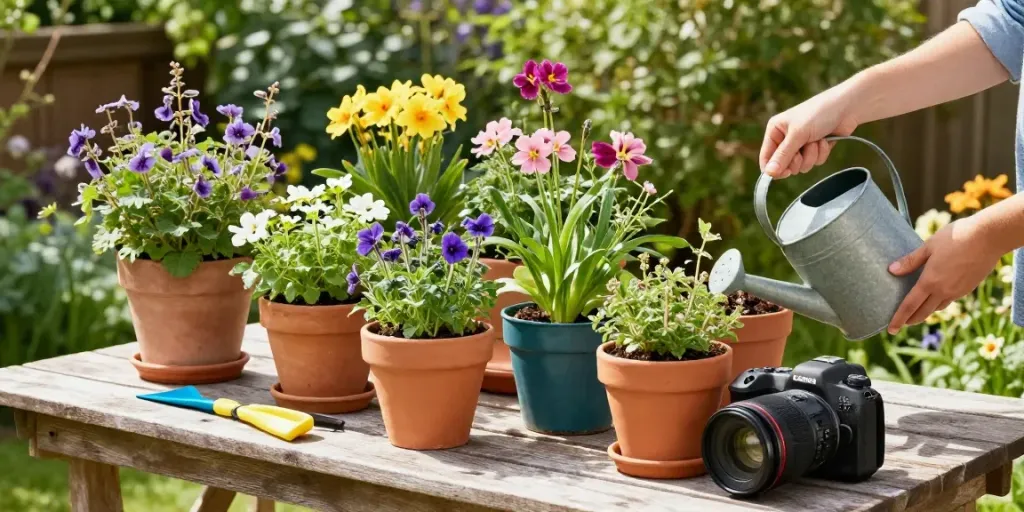
- Terracotta: These unglazed pots are porous, allowing moisture to evaporate through the sides, which is ideal for plants that prefer drier soil conditions.
- Plastic: Lightweight and durable, plastic pots are resistant to cracking and can come in a wide range of colors. They are often used for starting seedlings or in hanging planters.
- Metal: Galvanized steel and other metals add a modern touch to gardening but can heat up quickly, which may not be suitable for all plants.
- Wood: Wooden planters are environmentally friendly and can add a rustic charm to gardens. However, they may require more maintenance to prevent rot.
Choosing the Right Size and Style
Selecting the appropriate size and style of flower pot is crucial for plant growth. A pot that is too small can restrict root development, while an oversized pot may lead to overwatering. Here are some tips:
- Size: When choosing a pot, consider the size of the mature plant. Generally, a pot should be 1-2 inches larger in diameter than the plant’s root ball.
- Style: Match the pot style with your home or garden theme. For modern designs, opt for sleek, smooth finishes, while traditional gardens benefit from ornate, colorful ceramic pots.
Environmental Impact of Different Pot Materials
As sustainability becomes increasingly important, the environmental impact of flower pot materials is gaining attention. Here’s a closer look:
- Ceramic and Terracotta: While beautiful, the production of these pots involves significant energy use. However, they can last for years when maintained properly.
- Plastic: Although lightweight and often cheaper, plastic pots contribute to landfill waste. Many manufacturers are now producing recyclable options.
- Wood: Sourced sustainably, wooden pots can be an eco-friendly choice. Look for certified wood products to ensure responsible sourcing.
Best Practices for Planting in Flower Pots UK
Successfully planting in flower pots requires careful consideration of various elements that contribute to plant health and growth. By understanding the nuances of container gardening, you can create thriving pots that enhance both beauty and functionality.
Optimal Soil Choices for Container Gardening
The type of soil you choose can make a significant difference in the health of your plants. Here are some soil options:
- Potting Mix: A well-balanced potting mix usually contains peat, compost, and perlite. This combination ensures good drainage and nutrient availability.
- Succulent Mix: For cacti and succulents, a gritty mix that allows quick drainage is essential to prevent root rot.
- Organic Soil: Choosing organic soil can enhance the nutritional content and promote beneficial microorganisms in the pot.
Watering Techniques and Drainage Solutions
Proper watering techniques and drainage solutions are vital to avoid common pitfalls in container gardening. Follow these best practices:
- Drainage Holes: Always select pots with drainage holes to allow excess water to escape.
- Watering Frequency: Check the moisture level of the soil before watering. Generally, container plants require more frequent watering than those in the ground.
- Self-Watering Pots: Consider self-watering pots for a more hands-off approach, especially during hot months.
Seasonal Planting Tips for UK Gardeners
Understanding the seasons in the UK can greatly influence your planting strategy. Consider these seasonal tips:
- Spring: This is the optimal time to plant hardy annuals and perennials in pots to prepare for the summer bloom.
- Summer: Choose heat-tolerant plants that can withstand the warmer temperatures, and keep an eye on watering needs.
- Autumn: Begin transitioning to fall-friendly plants, such as pansies or ornamental cabbage, which can weather the cooler months.
- Winter: Protect more delicate plants or bring pots indoors to preserve them through the cold.
Decorating with Flower Pots UK: Creative Ideas
Flower pots can enhance your indoor and outdoor spaces, adding character and style. Here are some creative ideas to incorporate them effectively:
Incorporating Flower Pots into Home Décor
Using flower pots as decorative elements in your home can brighten up living spaces. Consider:
- Groupings: Display pots in clusters of varying heights for a visually appealing arrangement.
- Hanging Pot Displays: Utilize wall-mounted or hanging pots to save space and draw the eye upward.
- Painted or Decorated Pots: Add personal flair by painting terracotta pots or using decoupage techniques to match your home's aesthetic.
Outdoor Arrangements for a Stunning Patio
A well-arranged patio can significantly enhance outdoor living spaces. Here’s how to effectively use flower pots:
- Layering: Combine different pot sizes and heights to create depth and interest.
- Color Coordination: Match pot colors with the patio furniture or outdoor decor for a cohesive design.
- Seasonal Change: Rotate plants seasonally to keep the patio looking fresh and inviting.
DIY Projects with Flower Pots for Personalized Touches
Engaging in DIY projects can add a personal touch to your indoor and outdoor spaces. Here are a few ideas:
- Customized Herb Garden: Convert a wooden pallet into a vertical herb garden using small pots for each herb variety.
- Pot Painting Parties: Host a pot painting party for friends and family, allowing everyone to personalize their pots.
- Pot Fairy Gardens: Create whimsical fairy gardens in larger pots, complete with miniature decorations and plants.
Maintaining Your Flower Pots UK: Care and Upkeep
Regular maintenance is key to ensuring that your flower pots remain in good condition and that your plants thrive. Here are essential care tips:
Storing Flower Pots During Winter Months
During the harsh UK winter, protecting your flower pots is crucial. Follow these steps:
- Clean Pots: Remove any old soil or plant debris to prevent disease and pests.
- Store Indoors: If possible, bring clay or ceramic pots indoors to prevent cracking from freezing temperatures.
- Use Bubble Wrap: For pots that remain outside, wrap them in bubble wrap for insulation from the cold.
Preventing Pests and Diseases in Container Plants
Keeping your plants healthy involves proactive measures against pests and diseases:
- Regular Inspections: Check plants regularly for any signs of pest infestations or diseases and take action immediately.
- Natural Remedies: Use neem oil or insecticidal soap as eco-friendly pest control options.
- Right Placement: Ensure pots receive adequate sunlight and airflow to minimize disease risks.
Fertilizing Techniques for Healthy Growth
Fertilization is critical for container plants since nutrients can be washed away more quickly in pots. Consider the following:
- Slow-Release Fertilizers: Use slow-release granular fertilizers to provide a steady supply of nutrients over time.
- Liquid Fertilizers: Supplement with liquid feed during the growing season to boost plant growth.
- Organic Options: Opt for organic fertilizers to maintain soil health and sustainability.
Future Trends in Flower Pots UK: What to Expect in 2026
The landscape of gardening is continuously evolving, and flower pots are no exception. Observing current trends can help anticipate what will be popular in the coming years.
Innovative Materials and Eco-Friendly Options
The trend towards sustainability will likely lead to the use of innovative materials in flower pot production. Look out for:
- Biodegradable Pots: Made from renewable resources, these can be planted directly in the ground, reducing waste.
- Recyclable Components: A focus on recyclable materials will likely influence the design and functionality of flower pots.
Smart Gardening: Technology in Flower Pot Design
As technology advances, we can expect to see more smart gardening solutions, including:
- Self-Watering Systems: Integrated sensors to monitor soil moisture and automatically water plants when needed.
- Mobile Apps: Applications that assist in monitoring plant health and provide care tips tailored to specific plants.
Emerging Trends in Plant Choices for Container Gardening
As plant enthusiasts continue to explore new varieties, certain trends are likely to gain popularity:
- Edible Plants: There is a growing interest in container gardening with edible plants, making use of pots for herbs, vegetables, and fruits.
- Tropical Plants: Eye-catching tropical plants can make a bold statement in flower pots, especially in urban landscapes.
What are the best flower pots for indoor gardening?
For indoor gardening, lightweight plastic or ceramic pots with proper drainage holes are ideal. Look for pots with designs that match your home decor to enhance visual appeal.
How do I choose the right size flower pot?
Choosing the right size involves considering the plant's mature root ball. A general rule of thumb is to select a pot that is one to two inches wider in diameter than the current pot.
What plants thrive in flower pots UK?
Some of the best options for pot gardening in the UK include herbs like basil and parsley, flowering plants like petunias, and leafy greens such as lettuce. These plants adapt well to container life and provide vibrant colors or useful produce.
Are terracotta pots better for my plants?
Terracotta pots are excellent for plants that prefer drier conditions, as they are porous and allow moisture to evaporate. However, they may not be ideal for water-loving plants.
How often should I water plants in pots?
Watering frequency depends on several factors, including plant type, pot size, and environmental conditions. Generally, check the soil's moisture level regularly and water when the top inch feels dry.