
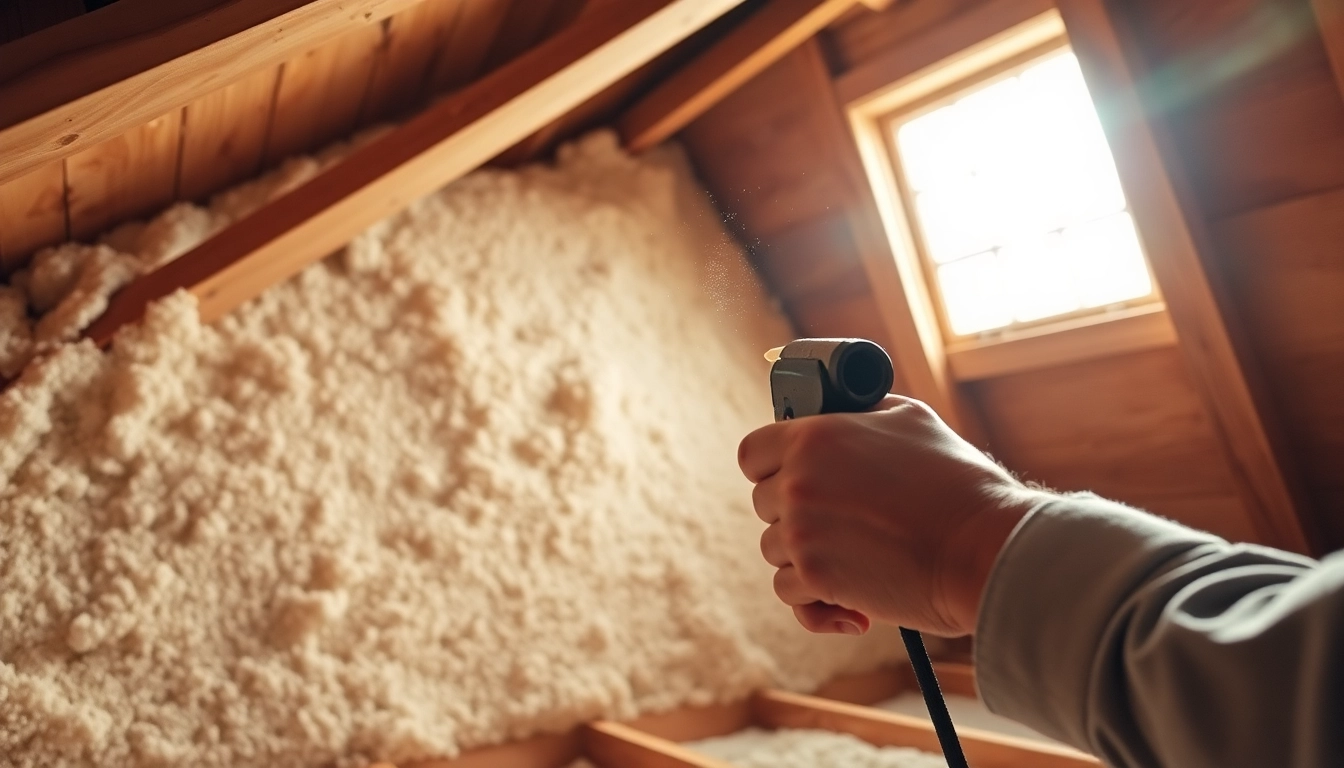
Understanding Spray Foam Insulation
What is Spray Foam Insulation?
Spray foam insulation is a type of plastic that is applied as a liquid and expands to fill cavities, cracks, and gaps in a building’s structure. It comprises two primary components: isocyanate and polyol resin, which, when mixed, form a durable foam that provides excellent thermal resistance. Unlike traditional insulation materials like fiberglass or cellulose, spray foam insulation adheres to surfaces, sealing off potential air leaks that can undermine energy efficiency.
Benefits of Spray Foam Insulation
The benefits of using spray foam insulation extend beyond just energy efficiency. Its ability to expand and fill voids means that it offers superior air sealing, significantly reducing drafts and improving indoor comfort. Additionally, spray foam provides moisture control, preventing mold growth and improving indoor air quality. Its structural integrity also contributes to the overall strength of the building, making it a favorite among builders and homeowners alike.
- Energy Efficiency: Reduces heating and cooling costs.
- Air Sealing: Eliminates drafts and improves thermal comfort.
- Mold Resistance: Controls moisture, reducing mold risk.
- Structural Strength: Adds additional support to walls and roofs.
Common Issues with Spray Foam Insulation
Despite its many advantages, there are potential pitfalls associated with spray foam insulation. Some homeowners experience issues such as off-gassing of chemicals, improper application leading to incomplete seals, or moisture problems when not installed correctly. Additionally, over time, the foam may degrade or become brittle, necessitating intervention. Awareness of these common issues can assist in troubleshooting and remediation.
Can Spray Foam Insulation Be Removed?
As with any building material, the question often arises: can spray foam insulation be removed? For various reasons, spray foam insulation may need to be taken out, whether due to an improper installation, a desire to upgrade, or health concerns associated with chemicals present in older foams.
Reasons for Removal
There are several reasons one might consider removing spray foam insulation:
- Health Concerns: Some types of spray foam can off-gas chemicals that some individuals may find harmful or irritating.
- Improper Installation: If sprayed incorrectly, gaps may exist, leading to inefficiencies and the potential for moisture accumulation.
- Upgrades: Homeowners may want to replace older foam insulation with newer, more efficient varieties.
- Structural Damage: If water damage occurs, remediation efforts may include the removal of insulation to assess underlying issues.
How is Spray Foam Insulation Removed?
The process of removing spray foam insulation can be complex and labor-intensive. It typically requires considering the application method and the type of foam used. Often, the removal involves cutting through the foam using appropriate tools, followed by careful extraction. It’s crucial to follow safety protocols, especially when dealing with chemicals released during the removal process.
Tools and Techniques for Effective Removal
For effective removal of spray foam insulation, you may require specific tools and techniques:
- Utility Knife: Ideal for cutting through layers of foam.
- Oscillating Multi-Tool: Offers precision cuts in awkward spaces.
- Heat Gun: Can soften the foam for easier removal when used cautiously.
- Personal Protective Equipment (PPE): Essential for protecting eyes and skin from chemicals and dust generated during removal.
Utilizing the correct tools enhances efficiency and minimizes damage to surrounding materials.
Pros and Cons of Removing Spray Foam Insulation
Advantages of Removal
Removing spray foam insulation can bring several benefits:
- Improved Indoor Air Quality: If older foam is off-gassing harmful chemicals, removal leads to a healthier living environment.
- Energy Efficiency Gains: Upgrading to more modern insulation can significantly improve energy performance.
- Building Integrity: Assessment of the structure can reveal unseen issues resolved through removal and replacement.
Challenges Faced During Removal
While there are compelling reasons to remove spray foam insulation, there are also challenges:
- Labor-Intensive Process: Removal may require significant effort, especially in large areas.
- Potential Damage: Care must be taken not to damage underlying structures during removal.
- Health Risks: Proper protective gear is necessary to mitigate exposure to dust and chemicals.
Cost Considerations for Removal
The costs associated with removing spray foam insulation can vary widely depending on factors such as the size of the area to be treated and the type of foam involved. Professional removal may range from moderate to high due to the specialized tools and knowledge required. It’s essential to prepare for potential costs associated with both removal and the installation of new insulation when considering a replacement.
What to Do After Removal
Preparation for New Insulation
Once the spray foam insulation is successfully removed, preparing the area for new insulation is crucial. This involves cleaning the space, removing any residual foam particles, and repairing any damage caused during the removal process. Ensuring that the area is adequately prepped will facilitate a smooth installation for new insulation.
Inspecting the Structural Integrity
Post-removal is an ideal time to inspect the integrity of the structure. Check for signs of water damage, mold, or structural weaknesses that may have been hidden by old insulation. Addressing these issues upfront will bolster the effectiveness of new insulation and contribute to the longevity of the building’s lifespan.
Choosing Replacement Insulation Options
After inspection and preparation, consider your insulation options. Popular choices include fiberglass, cellulose, and newer spray foam formulations. Each type comes with its own set of benefits and drawbacks regarding thermal performance, cost, and installation convenience. It’s essential to assess your specific needs and consult with insulation professionals to make an informed decision.
FAQs About Spray Foam Insulation Removal
What tools do I need for removal?
You typically need a utility knife, oscillating multi-tool, and possibly a heat gun for effective removal. Ensure you have proper protective gear as well.
Is it safe to remove spray foam myself?
While it’s possible to remove spray foam yourself, it’s advisable to consult professionals, especially if you encounter hazards or significant amounts of foam.
How long does the removal process take?
The timeline for removal varies based on the area size but can take several hours to a full day depending on complexity and conditions.
Can I replace the spray foam myself?
Replacing spray foam can be challenging due to technical application methods. Many prefer hiring professionals for the best results and to ensure safety.
When should I consider professional help?
Consider professional assistance if you face extensive removal, potential health hazards, or if unfamiliar with insulation techniques for optimal results.