Purchasing a home is an exciting milestone, but it also brings a heightened sense of responsibility. Among the many considerations that first-time homeowners face, Home Security is perhaps one of the most critical. Ensuring that your home is protected from potential threats not only safeguards your possessions but also provides peace of mind for you and your family. This comprehensive guide will delve into every aspect of Home Security, offering insights, tips, and expert recommendations tailored for first-time homeowners.
Understanding the Importance of Home Security
For new homeowners, understanding the true importance of Home Security goes beyond simply installing a lock on the front door. According to the latest studies, homes without security systems are significantly more vulnerable to break-ins and theft. The presence of a reliable Home Security system acts as both a deterrent for intruders and a protective measure should an incident occur. Beyond preventing theft, modern security solutions also protect against emergencies such as fires, carbon monoxide leaks, and medical incidents, offering a multi-layered safety net.
The psychological impact of having a robust Home Security setup is equally important. Homeowners report feeling safer and more relaxed when they know their property is monitored. This heightened sense of safety enhances quality of life, allowing families to focus on enjoying their home rather than worrying about potential threats.
Key Components of a Comprehensive Home Security System
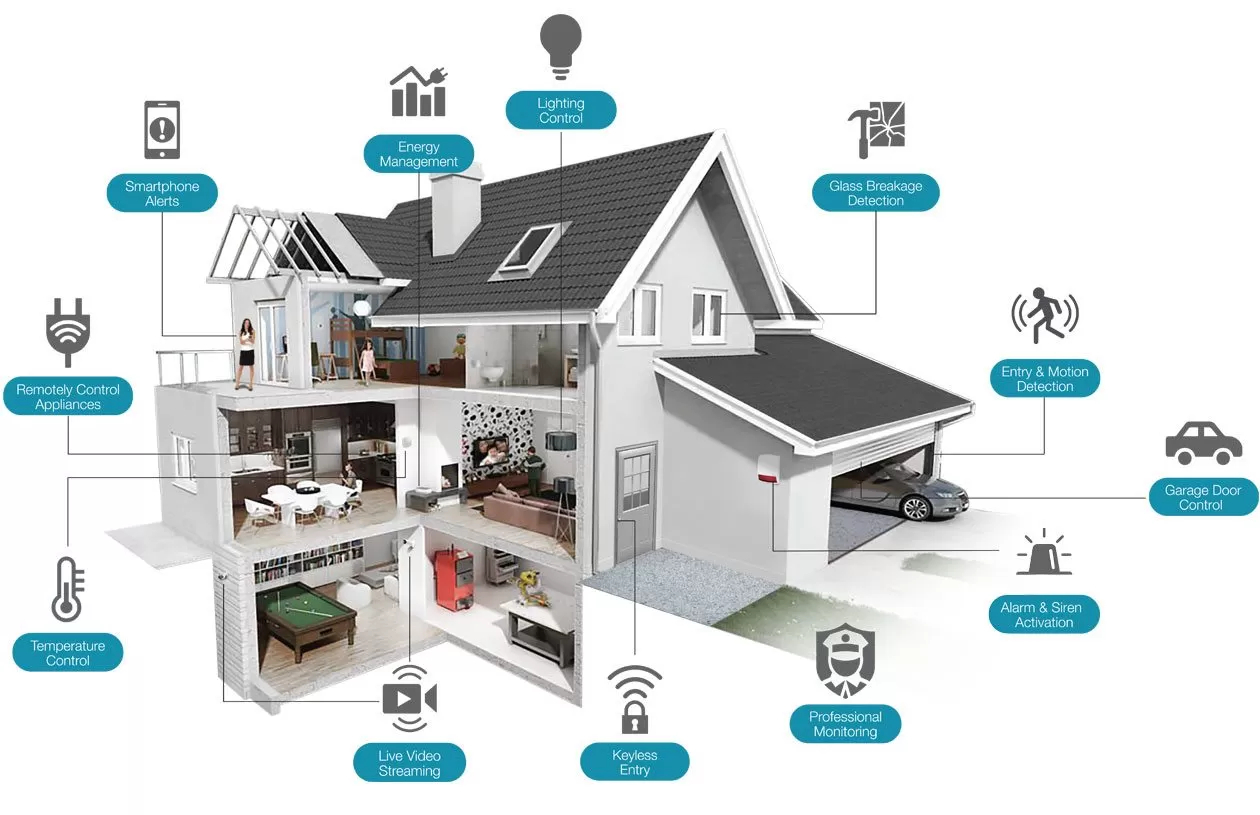
Creating a robust Home Security setup involves integrating several key components, each serving a specific role in maintaining the safety and integrity of your home. Understanding these elements is crucial for making informed decisions as a first-time homeowner.
Security Cameras
Security cameras are a foundational component of any Home Security system. Modern cameras offer high-definition video, night vision, motion detection, and cloud storage capabilities. Installing cameras at strategic points such as entryways, driveways, and common outdoor areas ensures continuous monitoring and acts as a visual deterrent to potential intruders. When choosing cameras, consider factors such as video resolution, field of view, connectivity options, and compatibility with smart home devices.
Alarm Systems
Alarm systems provide immediate alerts in the event of unauthorized access or emergencies. These systems typically include sensors on doors and windows, motion detectors, and audible alarms. Advanced systems may integrate with mobile applications, enabling homeowners to receive real-time notifications and remotely control the system. A well-designed alarm system significantly enhances overall Home Security by offering both prevention and response mechanisms.
Smart Locks
Traditional locks can be easily bypassed, but smart locks provide an added layer of security. These devices allow homeowners to control access using smartphones, key codes, or biometric recognition. Smart locks can also track entry and exit logs, offering insights into who is accessing your home and when. Integrating smart locks into a broader Home Security network improves convenience and control while maintaining safety.
Environmental Sensors
Effective Home Security extends beyond intrusion prevention. Environmental sensors detect hazards such as smoke, carbon monoxide, flooding, and extreme temperature changes. These sensors are crucial for protecting your home against non-criminal threats that could cause significant damage or harm occupants. Many modern systems offer integrated solutions that notify homeowners and emergency services simultaneously, ensuring rapid response.
Monitoring Services
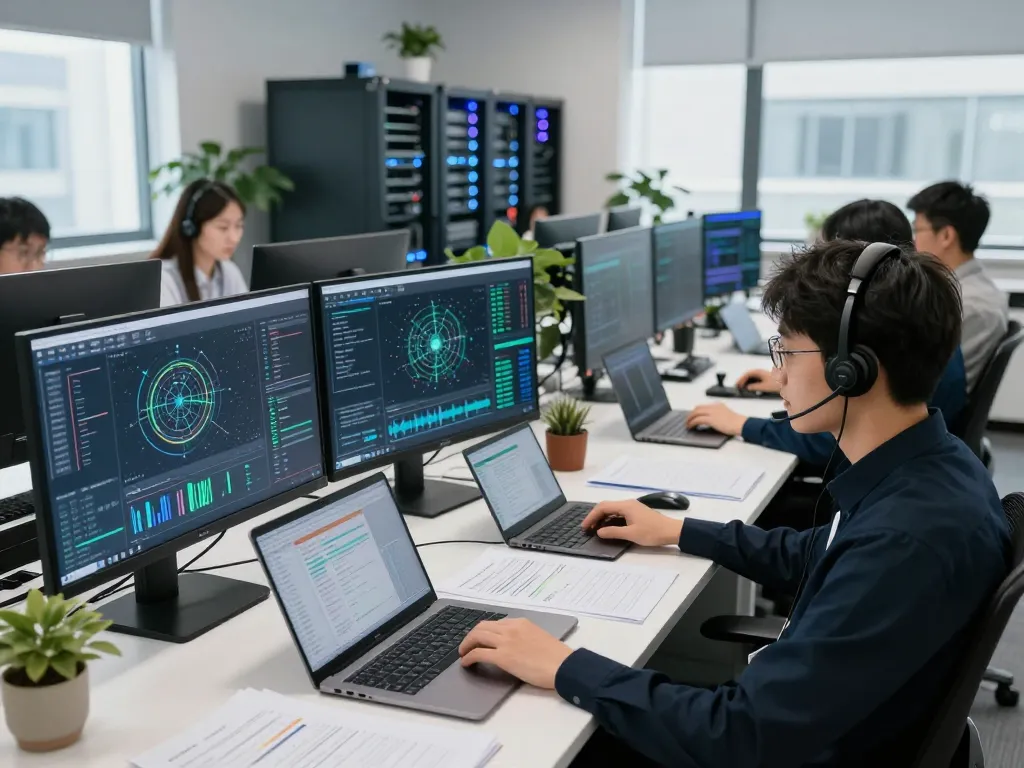
Professional monitoring services add an extra layer of protection. These services provide 24/7 monitoring, dispatching emergency responders when alarms are triggered. While self-monitored systems rely on homeowner vigilance, professionally monitored systems ensure immediate action, reducing response times and potentially mitigating damages or losses.
Assessing Your Home Security Needs
Before purchasing any Home Security equipment, first-time homeowners must assess their specific security needs. Every home is unique, and understanding these needs ensures you invest wisely in solutions that provide maximum protection.
Evaluating the Neighborhood
A thorough assessment begins with understanding your neighborhood’s crime rates and trends. Areas with higher rates of burglary or vandalism may necessitate more sophisticated Home Security systems. Conversely, low-crime neighborhoods may require only basic measures such as cameras and smart locks. Engaging with local law enforcement or neighborhood watch programs can provide valuable insights into regional security concerns.
Home Layout and Vulnerable Points
The layout of your home and its points of entry significantly influence your Home Security strategy. Identifying vulnerable areas—such as unlit backyards, accessible windows, or multiple entry points—helps prioritize security investments. First-time homeowners should conduct a detailed walkthrough, noting all doors, windows, garages, and other potential access points. Understanding these vulnerabilities allows for a targeted approach that maximizes safety while optimizing costs.
Budget Considerations
Security solutions vary widely in price, from affordable DIY systems to professionally installed comprehensive networks. First-time homeowners should develop a realistic budget, balancing costs with security priorities. Remember, investing in Home Security is not just an expense but a long-term safeguard for your home and family. Prioritizing essential components such as entry sensors and cameras before adding advanced features ensures both effectiveness and financial prudence.
Choosing the Right Home Security System
With a clear understanding of your needs, the next step is selecting the most suitable Home Security system. This decision requires careful consideration of system type, features, scalability, and ease of use.
DIY vs. Professional Systems
DIY systems appeal to homeowners seeking flexibility and affordability. These systems often allow easy installation, remote monitoring via apps, and integration with smart home devices. However, they may lack professional monitoring and advanced features.
Professional systems, in contrast, offer expert installation, continuous monitoring, and comprehensive support. While more expensive, these systems provide peace of mind for homeowners who prioritize reliability and rapid emergency response. The choice between DIY and professional solutions depends on personal preference, budget, and the level of protection desired.
Smart Home Integration
Modern Home Security systems increasingly integrate with smart home technologies, enabling centralized control of cameras, alarms, lighting, and locks. This integration allows homeowners to automate routines, receive real-time notifications, and control devices remotely. For first-time homeowners, investing in systems compatible with smart home platforms enhances both security and convenience, ensuring that the system evolves alongside technological advancements.
Scalability and Upgrades
A crucial consideration when selecting a Home Security system is its scalability. As your needs change or your family grows, you may want to add new cameras, sensors, or alarms. Choosing a system that supports upgrades ensures longevity and adaptability, allowing your security measures to expand without requiring a complete overhaul.
Evaluating Features
Not all security systems are created equal. First-time homeowners should assess features such as motion detection sensitivity, two-way audio communication, cloud storage, battery backup, and mobile app usability. These features influence the system’s effectiveness, convenience, and reliability, making informed evaluation essential before purchase.
Installation Tips for First-Time Homeowners
Proper installation is a cornerstone of effective Home Security. Even the most sophisticated systems fail if installed incorrectly. Following expert guidelines ensures maximum functionality and safety.
Strategic Placement
Positioning sensors and cameras strategically is critical. Cameras should cover main entry points and blind spots while remaining visible enough to deter intruders. Sensors should be installed on doors and windows, ensuring full coverage without false alarms. For environmental sensors, placement near kitchens, basements, or garages can detect fires, leaks, and hazards promptly.
Testing and Calibration
After installation, thorough testing and calibration are essential. Test cameras for proper angles, motion detection for sensitivity, and alarms for audibility. Regularly recalibrating and maintaining devices ensures continued reliability and prevents system failures. Many first-time homeowners overlook this step, but consistent testing is a hallmark of proactive security.
Professional Assistance
Even with DIY systems, consulting professionals for installation guidance can be valuable. Security experts provide insights into optimal device placement, connectivity issues, and integration with existing smart home infrastructure. Professional input reduces errors and enhances system efficiency, ultimately improving overall Home Security.
Maintaining Your Home Security System
Maintaining your Home Security system is as important as installation. Ongoing upkeep ensures devices function optimally and remain effective against evolving threats.
Regular Updates
Software updates for cameras, alarms, and smart locks are crucial for protection against cyber threats. Many modern systems rely on cloud-based platforms, which regularly release patches to improve performance and security. Keeping devices updated prevents vulnerabilities and ensures seamless integration with new technology.
Routine Inspections
Conducting routine inspections identifies wear and tear, low battery levels, or connectivity issues before they compromise safety. Inspecting sensors, cameras, and locks at least once a month guarantees reliability and longevity. Proactive maintenance saves money and reduces the risk of security breaches.
Emergency Preparedness
Even with robust Home Security systems, emergencies can occur. First-time homeowners should develop response plans for break-ins, fires, and other hazards. This includes establishing safe zones, storing emergency contacts, and educating family members on system usage. A well-prepared household complements technological security measures, creating a holistic safety strategy.
The Role of Insurance and Legal Considerations
While a solid Home Security system mitigates risks, homeowners should also consider insurance and legal aspects to protect their property comprehensively.
Homeowner’s Insurance
Insurance policies often offer reduced premiums for homes with professionally monitored security systems. Installing cameras, alarms, and environmental sensors demonstrates proactive risk management, which insurers value. Understanding policy requirements and coverage ensures that your Home Security investment aligns with broader financial protection strategies.
Legal Compliance
Certain regions mandate specific safety measures, such as smoke detectors or carbon monoxide alarms. Ensuring compliance with local regulations avoids fines and enhances household safety. Additionally, understanding privacy laws regarding camera placement and recording protects homeowners from potential legal issues, particularly when monitoring shared or outdoor spaces.
Common Mistakes First-Time Homeowners Make
Avoiding common mistakes is crucial for maximizing Home Security effectiveness. New homeowners often underestimate risks, overlook device placement, or fail to maintain their systems. Others neglect smart home integration or fail to budget for ongoing costs. Awareness of these pitfalls ensures a proactive approach that enhances safety and minimizes vulnerabilities.
Overlooking Simple Measures
Complex systems are valuable, but simple measures—such as reinforced doors, quality locks, and motion-activated lighting—often provide significant protection. First-time homeowners should not underestimate the value of basic, visible security precautions, which often deter intruders more effectively than hidden systems alone.
Neglecting Education and Usage
Investing in advanced devices without understanding their operation undermines Home Security. Educating household members on system usage, emergency protocols, and device management ensures optimal effectiveness. Regular drills and tutorials reinforce readiness, making technology truly effective.
Future-Proofing Your Home Security
Technology evolves rapidly, and first-time homeowners should anticipate future developments when designing Home Security solutions. Embracing modular, upgradeable systems ensures that your home remains protected against emerging threats. Investing in interoperable devices, cloud storage, and AI-driven analytics prepares your household for long-term safety and convenience.
Conclusion
For first-time homeowners, investing in Home Security is not merely about safeguarding property; it is about protecting family, peace of mind, and future stability. A well-planned security strategy integrates cameras, alarms, smart locks, environmental sensors, and professional monitoring to create a comprehensive safety network. By assessing specific needs, budgeting wisely, and maintaining devices diligently, homeowners can achieve robust protection and long-lasting confidence in their home environment. Whether through DIY systems or professional services, the right approach ensures your home remains a sanctuary, fully equipped against potential threats. For more insights, head over to our main site.
Frequently Asked Questions
What is the most important component of a home security system?
The most important component varies depending on the home and lifestyle, but security cameras and alarms are generally considered foundational. Cameras provide continuous surveillance, while alarms alert homeowners to breaches. Together, they create a deterrent effect and allow for rapid response, making them critical elements of effective Home Security.
How much should first-time homeowners spend on home security?
Spending depends on the home’s size, location, and security needs. Basic DIY systems may cost a few hundred dollars, while professional, fully monitored systems can exceed several thousand. The key is balancing cost with coverage, prioritizing critical areas such as entry points, cameras, and environmental sensors to maximize value and safety.
Can smart home devices improve home security?
Yes, smart home devices enhance Home Security by allowing remote monitoring, automation, and centralized control. Smart locks, cameras, and alarms can be integrated with smartphones or voice assistants, offering real-time alerts and management. This not only increases convenience but also strengthens the overall security posture of a home.
How often should I maintain and update my home security system?
Maintenance and updates should be conducted at least monthly for physical inspections and as needed for software updates. Regular checks ensure sensors are functioning, batteries are charged, and cameras remain correctly positioned. Staying current with firmware and software patches protects against vulnerabilities and ensures system reliability.
Do professional monitoring services offer significant advantages over self-monitoring?
Professional monitoring services provide 24/7 oversight, ensuring immediate response to alarms and emergencies. While self-monitored systems rely on homeowners to act, professional services can dispatch authorities or emergency responders quickly, reducing response times and mitigating potential damage. For first-time homeowners seeking comprehensive protection, professional monitoring is a valuable investment.